


Holistic Donor Engagement: the fundraising strategy that works for donors AND nonprofits (Part 1)

In the heart of every donor is a moral imagination, their vision for a better world. All donors have the ability to demonstrate their values and those dreams through an incredibly expressive medium - giving.
When it comes to giving, a donor may have a variety of assets they can give - and I’m not just talking about financial vehicles. I’m here to share my fundraising philosophy of Holistic Donor Engagement. It encourages donors to make their best gifts by leveraging those assets towards their ideals.
In this model, all types of support, including what would typically be labelled as volunteering, are considered types of giving. Volunteers and donors are no longer separate supporter types.
As nonprofit professionals, we can create a paradigm in which we treat all gifts and their givers equally. For many of us, used to putting treasure donors (and the largest treasure donors especially) on a pedestal, this shift gives us the opportunity to partner with and celebrate supporters by valuing their “best” gift and the relative impact they are choosing to make with us.
Why “traditional” fundraising doesn’t work for donors OR nonprofits
One of the biggest mistakes fundraisers make is to only ask prospects for money. Supporters each have their own understanding of what giving means to them (more on that soon), and the focus on money can be transactional and inauthentic to them. In my experience, the most generous financial donors are usually folks who support organizations in a variety of ways, gradually increasing their overall investment over time.
As a fundraiser, I’ve been instructed to “stay in my lane” and only focus on soliciting money. But over and over, I encountered donors who wanted to deepen their relationships with organizations and help in other ways. Sadly, the organizations weren’t interested. Supporter engagement solely focused on money is short-sighted and leaves those other types of gifts on the table, unused when we have critical outcomes we are striving toward.
Donors are smart and can tell when a nonprofit just cares about how much dough they can give. Even worse, these actions, heralded as “best practices”, tie into stereotypes and cultural taboos about how money and people who have it are valued. That’s especially harmful when you step back and think about why donors are there to give in the first place…
The origin of moral imagination
Where does one’s sense of moral imagination come from? All donors are shaped by personal experiences that help them develop their own sense of giving. Creating a philanthropic autobiography or answering questions about those experiences is a great way for individuals and fundraisers to understand a donor’s motivations and belief system related to giving. These experiences may be formative, life-changing, and deeply connected to one’s identity. They can be heavy, light, joyful, terrifying. For fundraisers like me, knowing someone, beginning to understand their moral imagination, and hearing their personal, sometimes sacred experiences, must not be treated lightly.
What we should do is respect this openness by partnering with donors to transform their moral imagination into a real-world outcome." In a sense, organizations are trading supporters’ tangible gifts for some sort of self-actualization the supporters receive in this process. There are some negative stereotypes about fundraising and fundraisers, but understanding the giving exchange this way can help remove the shame, taboo, or thoughts about “begging” that people who fundraise can experience.
The Acts of Giving
The Acts of Giving are the basic actions that one takes to give. Think of them as the building blocks of philanthropy, giving, or voluntary action for the public good, as defined by one of my favorite books, Understanding Philanthropy: Its Meaning and Mission.
The Acts of Giving are giving: time, talent, treasure, testimony, or ties. As fundraisers, we are often expected to focus on treasure, but supporters have much more to give than money. And when someone with a big moral imagination has a variety of gifts to offer, a fundraiser can do a disservice to everyone involved by only focusing on money.
In fact, cultivating a donor’s “best” gift - the asset they have that can best position a nonprofit to achieve its desired outcomes - is only possible when a fundraiser treats a donor’s assets holistically and is prepared to talk about more than money. Unfortunately, many fundraising roles do not allow for this. This is a mistake because it creates siloes that don’t make sense to donors (fundraising vs. volunteering), devalues incredible assets, and stops a donor from making their most meaningful investment possible.
Across the nonprofit sector, several studies have found connections between volunteerism and fundraising, like:
We also know that when donors have multiple entry points to invest in a nonprofit, their overall giving increases beyond the sum of its parts, along with their impact. Think of a donor that spreads the word of your nonprofit in your community, or a volunteer who leverages their experience to bring more supporters to you. Nonprofits raise more, and donors get closer to actualizing their moral imagination. I call that a win-win-win-win!
Read Part 2 of this series on Holistic Donor Engagement now: https://www.learnwithjpp.com/post/holistic-donor-engagement-the-fundraising-strategy-that-works-for-donors-and-nonprofits-part-2
Thanks to Perry Radford for this guest blog
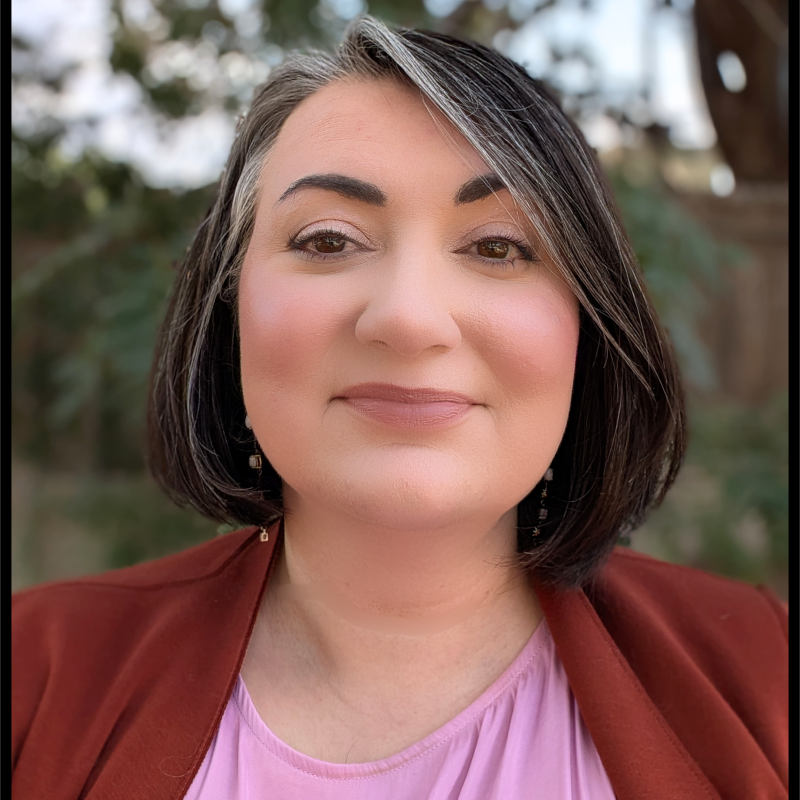
Perry Radford (she/hers) is a Fundraising Coach and Consultant, and the Founder of Rad Philanthropy. Perry helps nonprofits develop strategies, systems, and relationships that help them improve their fundraising yield. She believes in creating environments that nurture all gifts - time, talent, treasure, testimony and ties - honoring how each person is uniquely suited to make a difference within their community.
Prior to launching Rad Philanthropy, Perry worked in fundraising and alumni relations at Scripps College, Emerson College, Caltech, Harvey Mudd College, and got her start at her alma mater, UC Santa Cruz.
But wait, there’s more! Perry lives in Albuquerque, New Mexico with her husband and fluffy cats. She loves her local crafting group, trying fancy new coffee shops, and being a makeup aficionado.
Thanks for reading! Like this post and want to buy Jessica a coffee? Please visit https://buymeacoffee.com/learnwithjpp
Great insights! I like how you highlighted meaningful donor relationships. Fundraising Call Center Outsourcing can support nonprofits by creating more personal and consistent donor communication.